

It’s a classic cannabis conundrum. You choose a Sativa strain, anticipating a burst of creative energy, but instead, you find yourself yawning on the couch. So, does Sativa actually make you sleepy?
The short answer is a resounding yes. It’s a surprisingly common experience, and the reason lies in the intricate chemistry of the plant—and how your own body responds to it.
Why Your “Energizing” Sativa Might Be Making You Tired
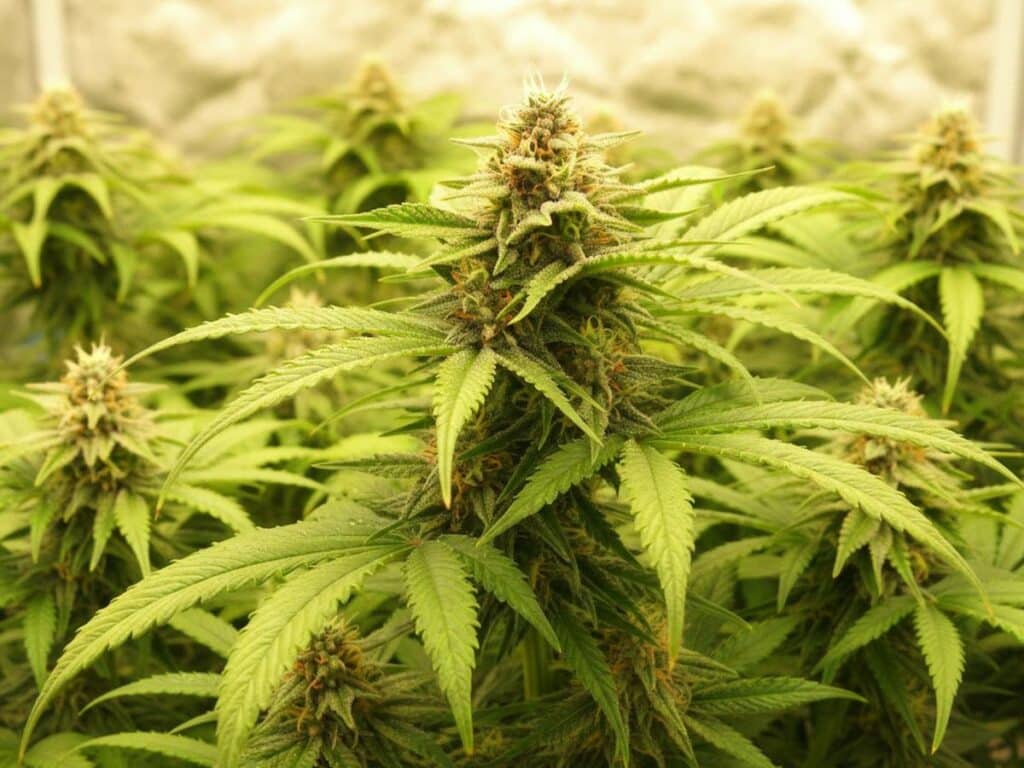
If you’ve ever felt that unexpected wave of drowsiness after trying a Sativa, you’re not alone. The primary culprit is often a scientific principle called the biphasic effect, especially concerning THC, cannabis’s main psychoactive compound.
It’s a fancy term for a simple concept you’ve likely experienced. Think about coffee. One cup can sharpen your focus and put a spring in your step. But drinking five cups is more likely to make you feel jittery, anxious, and completely drained.
Cannabis often works the same way.
A small dose of THC can feel uplifting, euphoric, and stimulating. But as the dose increases, the effects can flip entirely, becoming sedating and bringing on that sleepy feeling you didn’t anticipate.
This occurs because THC interacts with our body’s endocannabinoid system, a complex network that helps regulate everything from mood and appetite to energy levels and sleep cycles.
It’s All About the THC
The science is fascinating. THC can prompt your brain toward sleep by increasing adenosine, a compound that promotes rest. Simultaneously, it can suppress the parts of your brain that keep you awake and alert.
Some research on cannabis and its effects on sleep indicates that low doses of THC can help people fall asleep faster. Conversely, higher doses or chronic use can disrupt sleep patterns, leading to less restful nights.
So, your experience isn’t just about the “Sativa” label. It’s a personal equation involving a few key variables:
- Your Dose: How much you consume is the single biggest factor. A small amount might energize you, while a larger one could do the opposite.
- Your Tolerance: A regular cannabis user will have a very different reaction than a novice.
- The Strain’s Chemistry: A Sativa with very high THC levels is more likely to have sedating effects, regardless of its classification.
- Your Unique Body Chemistry: Ultimately, everyone’s body metabolizes cannabinoids differently.
Understanding how these elements interact is the key to moving beyond the simple “Sativa vs. Indica” mindset and predicting how a strain will genuinely affect you.
Look Beyond the Label to Understand Your Strain
It’s easy to fall into the trap of thinking “Sativa” guarantees a shot of energy, but that’s a common misconception. In reality, these labels are more like a rough guide than a strict rulebook for your experience.
The real story is in the strain’s unique chemical profile. That’s what truly dictates the effects, and it goes much deeper than the name on the package.
For instance, a Sativa with a sky-high THC content can absolutely make you feel tired. You might get an initial euphoric rush, but once that peak subsides, it’s often followed by drowsiness. This is a perfect example of why the question “does Sativa make me sleepy?” has no simple yes or no answer.
The Entourage Effect Explained
But it’s not just about THC. The real magic is in the entourage effect.
Think of it like a band. THC might be the lead singer, but other musicians—cannabinoids and the aromatic compounds called terpenes—are just as crucial. They all perform together, creating a unique sound or, in this case, a unique effect.
This synergy means the only way to accurately predict your experience is to look at the strain’s “chemical fingerprint.” Learning to read that fingerprint is how you find a product that hits the mark every time. To learn more, check out our guide on the nuanced differences between Sativa, Indica, and Hybrid strains.
The entourage effect is the principle that all compounds in cannabis work together. A single terpene or minor cannabinoid can completely alter how THC feels, turning an expected energy boost into surprise relaxation.
This is why two different Sativas can feel like night and day. One might spark creativity and focus, while another, with a different chemical mix, could leave you ready for a nap.
A great practical example is any Sativa high in a terpene called Myrcene. Myrcene is famous for its relaxing, almost sedating properties. If it’s present in high enough amounts, it can easily overpower the classic uplifting Sativa genetics, leading straight to the couch.
By looking past the label and focusing on the full chemical profile, you can truly take control of your cannabis journey.
How Terpenes Dictate Your Energy Levels
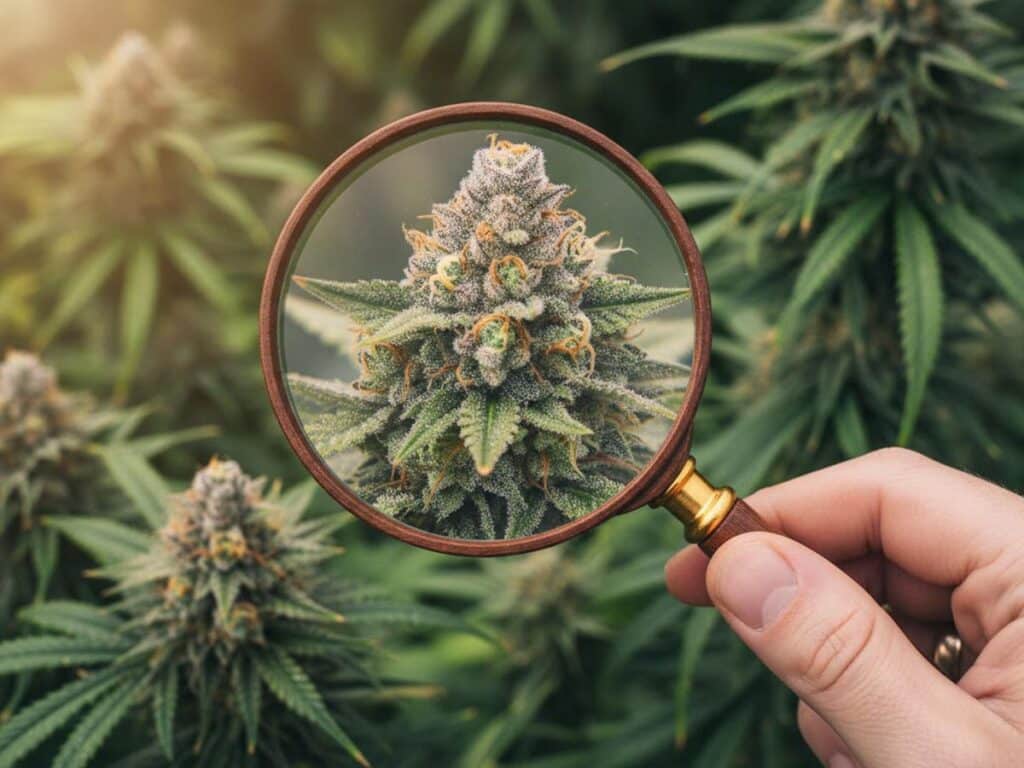
Imagine the cannabis experience as a symphony. THC might be the powerful lead violin, but the terpenes are the conductors, guiding the entire performance. These aromatic compounds determine whether the final result is a vibrant, energetic march or a soft, calming lullaby.
Terpenes give cannabis strains their unique smells and flavors—the zesty punch of lemon, the cool scent of a pine forest, or the sweet aroma of berries. But their role is far more significant. They work in concert with cannabinoids like THC to shape your high, determining whether a strain will feel uplifting or sleepy.
This is where we find the real answer to “does Sativa make me sleepy?” It all comes down to the specific terpenes in that particular strain.
The Energizers vs. The Relaxers
When you’re searching for that classic Sativa buzz, you’re really looking for strains rich in specific “energizing” terpenes. These compounds are known for their uplifting and stimulating effects.
- Limonene: True to its name, this terpene smells like citrus. It’s widely known for boosting mood and relieving stress, which can lead to a more focused and energetic headspace.
- Pinene: With the fresh, clean scent of pine needles, this terpene is associated with alertness. Some research suggests it can even help counteract the short-term memory fogginess that THC can sometimes cause.
Actionable Insight: When you choose a Sativa high in Limonene or Pinene, you’re selecting a chemical profile geared for daytime productivity. This is a far more accurate shopping method than relying on the Sativa label alone.
On the other hand, if a Sativa strain makes you feel drowsy, it likely contains a healthy dose of relaxing terpenes. Calming compounds like Myrcene (earthy and musky) or Linalool (floral, like lavender) can easily steer the experience toward sedation, even in a Sativa-dominant plant.
The key is to understand the terpene profile of your chosen strain. Below is a quick guide to some of the most common terpenes and their typical effects.
A Guide to Common Cannabis Terpenes
This table can help you start identifying the terpenes that best match the experience you’re seeking.
| Terpene | Common Aroma | Potential Effect |
|---|---|---|
| Myrcene | Earthy, Musky, Clove | Sedating, Relaxing |
| Limonene | Citrus, Lemon, Orange | Uplifting, Energizing |
| Pinene | Pine, Rosemary | Alertness, Focus |
| Linalool | Lavender, Floral | Calming, Sedating |
| Caryophyllene | Pepper, Spice, Wood | Stress Relief |
| Humulene | Hops, Woody, Earthy | Relaxing |
By knowing what these compounds do, you can make more informed choices at the dispensary.
Instead of just asking for a Sativa, try asking for a Sativa that’s high in Limonene for an energy boost. To go even deeper, check out our complete guide on what terps are and how they shape your experience. This knowledge puts you in the driver’s seat, helping you find the perfect strain for any occasion.
How Sativa Strains Can Affect Your Sleep Quality
Feeling a little sleepy after a Sativa is one thing, but getting a solid, refreshing night of sleep is another matter entirely. While a strain might make you feel like napping, its effect on your natural sleep cycle can often do more harm than good for true rest.
To understand why, we need to look at sleep architecture. Think of it as the blueprint for your nightly sleep, outlining the different stages you cycle through. It’s a finely tuned process, and cannabis—Sativas included—can disrupt it.
At first glance, the effects might seem beneficial. Cannabis often extends the time you spend in deep, non-REM sleep, which is when your body performs most of its physical repairs. But this benefit usually comes with a significant trade-off.
The Problem: Trading REM for Deep Sleep
The biggest issue is that cannabis is known to suppress REM sleep, the critical stage for your brain’s health. This is when you dream, process emotions, and consolidate memories. By consistently using cannabis before bed, you are likely cutting this vital stage short.
This explains why some people feel mentally sluggish or “off” the next day, even after a full eight hours. They got enough sleep, but the quality was seriously lacking.
The takeaway: Chasing that drowsy feeling from a Sativa might be counterproductive. You might fall asleep faster, but you could be robbing your brain of the restorative REM sleep it needs to function at its best.
Research confirms this, showing how cannabis use alters our natural sleep stages. While it can boost deep NREM sleep, it does so by stealing time from REM sleep. Over time, this can impact everything from your mood to your memory. For a closer look at the science, the Sleep Foundation offers a great breakdown of how cannabis impacts sleep stages.
So, even if the answer to “does Sativa make me sleepy?” is sometimes yes, it’s rarely the right tool if your goal is to wake up feeling rested and sharp.
Choosing the Right Strain for Better Sleep
If you’re asking “does Sativa make me sleepy?” because you’re hoping for a good night’s rest, you might be looking in the wrong aisle. While certain Sativas can induce drowsiness in some people, they are rarely the best choice for achieving truly restorative sleep.
The real key is to find a strain that’s built for relaxation from the ground up.
Experience and evidence consistently point toward Indica-dominant strains as the superior choice for sleep. These strains are often rich in calming terpenes like Myrcene and Linalool, which work with cannabinoids to soothe both body and mind. Instead of the racing thoughts that can keep you staring at the ceiling, Indicas tend to guide you gently into slumber.
Making an Informed Choice
You don’t just have to take our word for it. A 2021 study revealed that medical cannabis users reported significantly more relief from insomnia symptoms when using Indica strains compared to Sativas. This is precisely why experienced budtenders will guide you toward an Indica for evening use. You can read through the study yourself on the National Institutes of Health website.
To find what works best for you, always investigate a strain’s full chemical profile.
- Check the Terpenes: Look for strains high in Myrcene or Linalool.
- Look at Cannabinoids: A balanced profile can be beneficial. A little CBD alongside THC can often create a smoother, more relaxing experience.
- Start Low and Go Slow: A smaller dose is always the best way to begin. It helps you gauge your body’s reaction without inadvertently disrupting your sleep cycle.
For more direct, practical advice, explore our guide to the best weed strains for insomnia and sleep, which offers specific recommendations.
Your Sativa Questions, Answered
It can be confusing when a strain that’s supposed to be energizing leaves you wanting to curl up for a nap. It happens more often than you’d think. Let’s tackle some of the most common questions about Sativa’s surprising sleepy side.
Why Did My Sativa Give Me a Jolt of Energy, Only to Make Me Tired Later?
This is a classic scenario and a perfect example of the biphasic effect of THC. Think of it like a curve: at first, a low dose provides a burst of creative energy. But as your body metabolizes a high dose, the effects can flip, leading to a sedative “crash” on the other side.
The two biggest factors are your personal tolerance and your dosage. A small puff might keep you in that uplifting sweet spot, while a larger amount can send you right over the peak and down into sleepy territory.
How Do I Find a Sativa That’s Genuinely Energizing?
Here’s the pro-tip: look past the “Sativa” sticker and dive into the terpene profile. For that get-up-and-go feeling, you want strains packed with specific terpenes that promote alertness and positive energy.
- Limonene: Brings a bright, citrusy scent and is known for boosting mood and relieving stress.
- Pinene: Smells like a pine forest and is linked to alertness and memory retention.
- Terpinolene: Has a complex, floral-fruity aroma and is often the star player in truly high-energy strains.
Actionable Insight: Ask your budtender to see a lab report or check product details online for these specific terpenes. Also, a golden rule is to start with a low dose—it’s the best way to catch that energetic wave without getting pulled under by the crash.
So, Is It a Bad Idea to Use Sativa Before Bed?
Even if it makes you feel drowsy, reaching for a Sativa as a sleep aid probably isn’t your best bet. High-THC strains, in general, can interfere with your REM sleep, the crucial stage where your brain recharges. You might fall asleep, but you could wake up feeling foggy instead of refreshed.
Looking for a sleep aid? You’re usually far better off with an Indica-leaning strain. Look for one high in relaxing terpenes like myrcene and linalool, which are known to promote deep, restorative rest.
Does It Matter How I Consume It?
Absolutely. Your consumption method can completely change the experience. When you smoke or vape, the effects are rapid and intense. This can feel more energizing upfront, but often leads to a quicker and more noticeable comedown.
Edibles are a different story. They take longer to kick in but deliver a much more prolonged and potent experience. Because your liver converts THC into a stronger compound, edibles are far more likely to feel sedating, regardless of whether they started as Sativa or Indica.
Here at Wallflower Cannabis House, our budtenders love diving into these details. We’re here to walk you through lab reports, explain terpene profiles, and help you find exactly what you’re looking for. Check out our curated menu online at https://wallflower-house.com or stop by the shop to chat with us in person.