

Ready to elevate your cannabis experience? Making your own hash is the ultimate DIY project, and it all comes down to one simple goal: separating the potent, flavorful trichomes from your plant material. We’ll walk you through three straightforward, solvent-free methods you can master at home: Dry Sift, Bubble Hash, and Rosin Pressing.
Each technique delivers strong results without requiring a lab full of complex equipment. This is your chance to turn a good flower into a great concentrate.
Your First Steps into Craft Hash Making
Welcome to the ancient art of homemade hash. Forget complex chemistry—this is about craftsmanship. You’re simply collecting the plant’s resin glands, or trichomes, which house the cannabinoids and terpenes that define cannabis’s unique effects and aroma. Think of it as concentrating all the best parts of the plant into one powerful product.
If you’re curious about the different kinds of concentrates out there, you can dive deeper with our complete cannabis concentrates guide.
Consider this guide your personal workshop manual. We’ll break down each process and provide actionable steps to create top-shelf concentrates without harsh chemicals.
What We Will Cover
- The Dry Sift Technique: The classic, time-honored approach. We’ll use screens to gently coax the trichomes from your dried flower.
- The Bubble Hash Method: A fan favorite that uses ice and water to create exceptionally pure and aromatic hash.
- The Rosin Press Approach: The modern powerhouse. We’ll harness heat and pressure to squeeze out potent resin in seconds.
Hash making has a rich history, centered on collecting and pressing sticky trichomes. For centuries, this was done by hand. Today, dry sifting uses fine-mesh screens—typically 100-150 microns—to capture trichome heads while filtering out plant matter. Done right, you can achieve a THC content from 20% to 60%. For more industry insights, check out the statistics on Flowhub.com.
Our goal is simple: to equip you with practical, no-nonsense knowledge so you can safely create high-quality hash. There’s a profound satisfaction in crafting something amazing from your own material. Let’s get started.
The Classic Dry Sift Method
This is the perfect entry point into hash making, and for good reason. Dry sifting is one of the oldest and most direct methods for making hash. It’s a completely solventless technique that uses fine-mesh screens to gently separate resinous trichomes from dried cannabis. It’s an elegant, almost meditative process that connects you to the deep history of this craft.
The method operates on a simple principle: agitation. By gently moving your cannabis over a screen, the brittle trichome heads break off and fall through the mesh, leaving the unwanted plant material behind. What you collect is a mound of pure, unadulterated kief, ready for the final press.
Getting Your Dry Sift Toolkit Together
The great news is that you don’t need an expensive, complicated setup. A few key items are all it takes to ensure a clean and efficient separation, turning your flower into golden kief.
Here’s your essential checklist:
- Micron Screens: This is the heart of the operation. You can buy a dedicated ‘sift box’ for convenience, or simply get a set of individual screens with different micron sizes. A fantastic starting set would include a 160μm, a 120μm, and a 73μm screen.
- Quality Starting Material: Your hash will only ever be as good as the flower you start with. You need well-dried and cured buds or trim that are visibly frosty—the more trichomes, the better your yield.
- A Clean Collection Surface: A large sheet of parchment paper or a clean glass tabletop works perfectly for catching the kief as it falls.
- A Collection Tool: No need to overthink this. A simple plastic card, like an old gift card or ID, is the perfect tool for gathering and working with the collected kief.
Here’s an actionable insight that makes a huge difference: work in a cold room. When the temperature drops (ideally below 68°F or 20°C), the trichomes become brittle and snap off cleanly instead of smearing. This single adjustment can dramatically boost both your yield and the purity of your final product.
Turning Kief into Pressed Hash
Once your gear is ready, the process itself is beautifully simple. Begin by placing a small amount of your ground cannabis onto your coarsest screen (for example, the 160μm one) positioned over your collection surface.
Now, gently shake or tap the screen for a few minutes. You’ll immediately see a fine, golden powder accumulating at the bottom.
This initial collection is your crude kief. To refine it, you’ll “card” it. This means using your plastic card to gently scrape the kief pile across a finer screen (e.g., 120 μm or 73 μm). This motion pushes the smaller, desirable trichome heads through the mesh while filtering out any larger contaminants, such as tiny particles of plant matter.
The goal here isn’t just volume; it’s quality. Repeating this carding process through progressively finer screens is how you purify the kief, leading to a much more potent and flavorful hash.
The final step is transforming that fluffy, refined kief into a solid block of hash. The easiest way to do this is with a pollen press, a small cylindrical device that uses pressure to compact the kief. Simply load it, tighten it, and let the pressure work its magic.
No press? No problem. You can also wrap the kief tightly in parchment paper and apply firm, even pressure with a rolling pin. The combination of pressure and the slight heat from friction will bind the trichomes, creating a beautiful, solid piece of classic dry-sift hash.
The Bubble Hash Ice Water Technique
If your goal is to produce some of the purest, most flavorful hash imaginable right from your kitchen, the bubble hash method is your ticket. This technique, also known as ice water extraction, is renowned for its exceptionally clean and potent results. It’s more hands-on than dry sifting, but the superior quality is worth every bit of the effort.
The magic lies in basic physics. When cannabis is submerged in ice-cold water, the trichomes become incredibly brittle. A gentle stir is all it takes to snap them from the plant. Because trichomes are denser than water, they sink, while the lighter plant material floats. It’s an elegant and natural way to isolate the prize.
This method’s key advantage is its unparalleled ability to preserve the delicate terpenes that define a strain’s aroma and flavor. You’re removing the resin glands, resulting in a cleaner, more aromatic product.
Gathering Your Ice Water Extraction Gear
Before diving in, take a few minutes to organize your tools. A little prep work makes the entire process smoother and more enjoyable. You don’t need a professional lab—just a few key items.
Here’s your essential shopping list:
- Bubble Bags: These are the stars of the show. They are filter bags with screens of varying micron sizes, designed to nest inside a bucket. A standard 5-gallon, 8-bag set is the perfect starting point for home crafters.
- Two Clean Buckets: You’ll need one for mixing and a second to drain water from your bags. Ensure they’re food-grade and give them a thorough cleaning before you start.
- Ice and Purified Water: You’ll need a lot of ice—at least one large bag from the store. You’ll also want plenty of cold, purified or distilled water. Tap water often contains minerals that can affect the final taste.
- Frozen Cannabis: For the absolute best results, use fresh-frozen cannabis. Freezing the plant right after harvest locks in the maximum amount of terpenes. However, high-quality dried and cured bud also works wonderfully.
- A Large Spoon or Paddle: You’ll need something to gently stir the ice water and cannabis mixture. A large, clean kitchen spoon or a sanitized paddle is perfect for the job.
Whether you’re dry sifting or making bubble hash, the fundamental concept remains the same: break off the trichomes, filter them by size, and press them into your final product.
Choosing Your Bubble Bag Micron Sizes
Understanding what each micron bag collects is the key to separating different grades of hash. This table outlines what to expect for each size.
| Micron Size (μm) | What It Collects | Typical Quality & Use |
|---|---|---|
| 220μm | Plant material, debris | Your “work bag.” It catches all the large contaminants you don’t want. |
| 160μm | Some trichomes, contaminants | Often considered lower quality, perfect for making edibles or tinctures. |
| 120μm | Mature, large trichome heads | Good quality, full-spectrum hash. An excellent choice for pressing into rosin. |
| 90μm | The sweet spot for many strains | This is often where you’ll find the highest grade, most desirable trichomes. |
| 73μm | Ripe trichome heads | Also considered premium, “full-melt” territory. Exceptional for dabbing. |
| 45μm | Less mature, smaller trichomes | Still very good quality, just offering a slightly different cannabinoid/terpene profile. |
| 25μm | Very small trichome fragments | This is your final catch. It can be a bit harsh but is definitely still usable. |
This range empowers you to isolate the truly premium “keeper” grades (usually the 73μm and 90μm bags) from the rest.
The Ice Water Extraction Process
Alright, with your workspace prepped, it’s time for the main event. Start by lining your second bucket with the bubble bags. Begin with the finest mesh (25μm) at the bottom and layer the coarser ones on top. Getting this order right is critical for proper hash separation.
Next, in your first bucket, create layers of your frozen cannabis, ice, and cold water. Continue until all the plant material is completely submerged. Now, let it sit for 15-20 minutes. This pre-soak is a pro tip that makes a huge difference—it gives the trichomes time to become perfectly cold and brittle before agitation.
The secret to top-tier bubble hash is gentle agitation. You’re not making a smoothie. Use a slow, steady paddling motion. This gentle movement is all you need to knock the trichomes loose without pulverizing the plant matter, which would contaminate your hash.
After about 15 minutes of gentle stirring, you’re ready to pour. Carefully transfer the icy water from your mixing bucket into the bucket lined with your bubble bags and let it drain completely.
Now for the reward. Remove the first bag (the coarsest) and allow all water to drain into the bags below. This bag captures most of the remaining plant material. Continue this process, pulling out one bag at a time. As you reach the finer mesh bags, you’ll see the beautiful, golden-brown hash collecting on the screens.
Using a spoon, gently scrape the collected resin from each screen onto a separate piece of parchment paper or a pressing screen. Be sure to keep each grade separate! You’ve just made bubble hash. The final, crucial step is to dry and cure it properly to prevent mold and unlock its full, amazing flavor.
Pressing Rosin for Potent Results
If you demand pure, potent concentrates without the fuss of solvents, rosin pressing is your answer. This modern technique uses only heat and pressure to squeeze resinous gold directly from cannabis flower, kief, or the bubble hash you just made. It’s one of the cleanest, fastest, and most gratifying ways to create a truly top-shelf product at home.
The beauty of rosin lies in its simplicity. With no solvents, the final product is a pure, unadulterated expression of your starting material. By carefully applying heat and high pressure, you are melting and releasing all the cannabinoids and terpenes locked inside the plant’s trichome heads.
What you’re left with is a sticky, aromatic, and incredibly potent concentrate on your parchment paper, ready to enjoy almost immediately.

Dialing In Your Rosin Press Settings
Owning a press is just the start; the key to incredible rosin is mastering the delicate balance among three variables. Think of these as the control knobs for your final product’s flavor, potency, and consistency.
- Temperature: This is your most critical control. Lower temperatures (around 160-190°F or 71-88°C) are fantastic for preserving delicate terpenes, resulting in a more flavorful, budder-like consistency. Raising the heat to 190-220°F (88-104°C) often yields more, with a shatter-like texture, but at the expense of some of those complex aromatics.
- Pressure: You need enough force to extract the resin, but too much can push unwanted plant fats and lipids into your rosin, negatively impacting flavor. A good target is between 300 and 1,000 PSI at the bag.
- Time: The duration of your press is directly tied to your temperature. Low-and-slow presses might take a couple of minutes for full extraction, while a hotter press can be finished in as little as 45 seconds.
Your primary goal is to find the lowest possible temperature that still produces a satisfying yield. Hitting this “sweet spot” is how you preserve the maximum amount of flavor and create a smoother, more enjoyable final product.
The Rosin Pressing Workflow
Once you understand the variables, the process is incredibly straightforward. Start by prepping your material. If pressing flower, ensure it isn’t bone-dry; a relative humidity of around 62% is ideal for maximizing returns.
First, load your material into a rosin filter bag. These bags are measured in microns, just like bubble bags. For flower, a 90μm or 120μm bag is a great choice. For finer materials like kief or bubble hash, you’ll need a much finer mesh—like 25μm or 37μm—to prevent any particles from contaminating your final product.
Next, fold a piece of parchment paper in half and place your packed filter bag in the center. Now you’re ready to position the entire parchment packet between the heated plates of your rosin press.
Begin applying pressure slowly and steadily. You’ll hear a satisfying sizzle as the resin melts and oozes from the bag onto the parchment. Maintain your target pressure for the designated time, then release the plates.
Carefully remove the parchment paper. You should see a beautiful, golden ring of fresh rosin surrounding the pressed bag. To understand how premium starting material can elevate your results, explore our guide on what is live rosin.
Collecting and Troubleshooting Your Rosin
Let the fresh rosin cool on the parchment for a minute or two. This makes it less sticky and much easier to handle. Use a dab tool to gently scrape the rosin from the paper, collecting it all into a small glass jar for storage.
If you encounter issues, don’t worry. Most common problems have simple solutions.
- Low Yields? This often indicates old, dry starting material or an incorrect temperature. Try rehydrating your flower with a humidity pack or increasing your press temperature by 5-10 degrees on the next run.
- Dark Rosin? A dark color typically indicates that your temperature was too high, you pressed for too long, or your starting material was past its prime. Try dialing back the heat on your next press.
With a little practice, you’ll quickly develop a feel for the process. You’ll be making hash that rivals dispensary quality, fine-tuning your technique to achieve exceptional results every single time.
How to Properly Cure and Store Your Hash
Congratulations, you’ve created a beautiful batch of hash. But don’t stop now—the final steps of curing and storing are what separate good hash from truly exceptional hash. Rushing this stage is a common mistake that can compromise flavor and potency.
Proper curing is about creating the perfect environment for your hash to mature. The goal is to slowly and carefully remove any residual moisture, allowing the cannabinoids and terpenes to stabilize and meld. This process is what develops the smooth, aromatic, and flavorful experience you’re after.
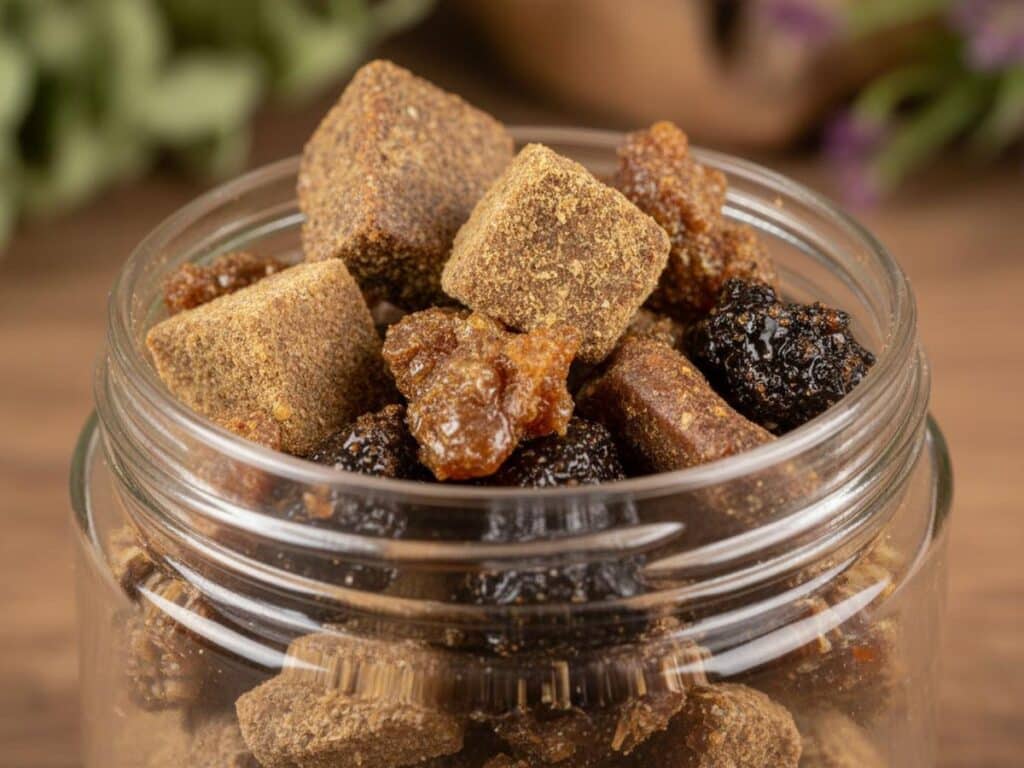
Curing Techniques for Different Hash Types
Your curing method should be tailored to the type of hash you’ve made. For instance, bubble hash is water-saturated and requires thorough drying, whereas rosin requires a more delicate touch.
- For Bubble Hash: Mold is your greatest enemy. First, gently press the wet hash patties between sheets of parchment paper to squeeze out as much water as possible. Then freeze the patties until solid. Using a microplane or fine grater, grate the frozen hash into a sandy powder over a cardboard lined with fresh parchment. This dramatically increases the surface area, allowing it to dry perfectly over a few days in a cool, dark, and dry room.
- For Dry Sift and Rosin: These are much simpler to cure as they start with very little moisture. The main objective is to protect the fragile terpenes. All you need is a cool, dark, and dry place. Seal your hash in an airtight container and store it in a cupboard for a few days. This is usually all it takes for the flavors to settle and mature.
Advanced Curing: The Jar Tech Method for Rosin
If you’re a rosin enthusiast looking to experiment with texture and aroma, you must try the “jar tech” method. This technique can completely transform your final product. Simply seal your freshly pressed rosin in an airtight glass jar and apply gentle heat, using a warming mat set to 90-110°F.
This steady, low heat encourages the cannabinoids and terpenes to separate. Over several days, you’ll witness a magical transformation as the rosin may “budder up” into a creamy consistency or develop a wetter “badder” texture, unlocking incredibly intense aromas in the process.
Long-Term Hash Storage Done Right
Once your hash is perfectly cured, proper storage is key to preserving its quality for months to come. The three primary enemies of hash are oxygen, light, and heat, all of which degrade the terpenes that define its character.
Your best solution for long-term storage is a small, airtight glass jar kept in the refrigerator. This provides a stable, cold, and dark environment that protects your hard work. Pro tip: always allow the jar to reach room temperature before opening it. This prevents condensation from forming and introducing moisture to your hash.
Common Hash Making Questions Answered
When you start making hash, questions are inevitable. It’s part of the learning curve. Getting clear answers from the beginning can dramatically improve your results and help you avoid common frustrations. Let’s tackle some of the most frequent questions from new hash makers.
What Is the Best Starting Material for Making Hash
I cannot overstate this: your final hash will only be as good as the material you start with. The old adage, “fire in, fire out,” is the fundamental truth of cannabis concentrates.
You are looking for cannabis flower or trim that is absolutely covered in trichomes. These are the tiny, sparkling, mushroom-shaped glands on the plant’s surface—they contain everything you want.
- For bubble hash, the gold standard is fresh-frozen material. This means harvesting a plant and immediately freezing it, thereby preserving the delicate, volatile terpenes that are often lost during drying and curing. The resulting flavor is unparalleled.
- For dry sifting, your material must be perfectly dried and cured. This ensures the trichome heads are brittle and ready to break off cleanly with minimal effort.
How Can I Get a Better Yield from My Hash Runs
Everyone wants a better yield, but it’s always a balance between quantity and quality. Your yield ultimately depends on two factors: the quality of your cannabis and the precision of your technique.
The number one rule for both bubble hash and dry sift is to keep everything as cold as possible. Cold temperatures make trichomes brittle, allowing them to snap off cleanly. If they get warm, they become sticky and smear, which kills your return.
With bubble hash, be gentle yet thorough during agitation. If you stir the ice water mix too aggressively, you’ll pulverize the plant material. This creates a green sludge that contaminates your hash with chlorophyll and ruins its purity.
For rosin, remember that every strain has a “sweet spot.” You must experiment with temperature and pressure to find what that specific cultivar is willing to give. A small adjustment of a few degrees can be the difference between a disappointing press and a beautiful return.
Key Takeaway: Never chase yield at the expense of quality. A smaller amount of pure, potent hash is always more valuable than a larger pile of contaminated, plant-heavy material. Focus on refining your process, and you’ll achieve the best of both worlds.
Is Making Hash at Home Safe
Absolutely. The three methods we’ve detailed here—dry sift, bubble hash, and rosin—are exceptionally safe.
The primary reason is that they are all “solventless.” This means we are only using mechanical forces like sifting, washing with ice water, or applying heat and pressure to separate the trichomes, not volatile chemicals.
This stands in stark contrast to other extraction methods that rely on flammable solvents. To better understand the difference, see our guide on what BHO is. With the techniques in this guide, your primary safety concern is using common sense in your workspace and with any electrical equipment, such as a rosin press.
At Wallflower Cannabis House, our knowledgeable budtenders can help you select the perfect flower or trim for your next hash-making adventure. Visit one of our Las Vegas or Henderson locations or browse our menu online to see what’s fresh.